Ayurveda cannot dissolve or flush out gallstones, and no herb has been shown to do so. Gallstones that cause no symptoms usually need no treatment at all. Stones that cause repeated pain usually need the gallbladder removed by keyhole surgery. Where Ayurveda, diet and routine can help is in supporting digestion, reaching a healthy weight slowly and building habits that lower the risk of attacks, always alongside your doctor or surgeon.
Every month, someone sits in my clinic at Dr. Bali’s Bliss in Hauz Khas with an ultrasound report and one question: “Doctor, can you remove my stones without an operation?” I understand the fear behind that question. My answer is honest, and I think it helps people make a calmer decision.
Symptoms of Gallstones
Most people with gallstones have no symptoms at all and find out only from a scan done for something else. When stones do cause trouble, the typical sign is a steady, severe pain in the upper right or centre of the belly.
This pain, called biliary colic, often starts within an hour or two of a heavy or oily meal, or wakes you at night. It usually lasts from half an hour to a few hours and can spread to the back or the right shoulder blade, sometimes with nausea or vomiting. Here is something I explain often: gas, acidity, burping and general bloating on their own are rarely caused by gallstones. If those are your only symptoms, the stones on your scan may not be the reason, and surgery may not fix them.
Fever with pain, yellow eyes or skin, or pain going through to the back with vomiting suggest a complication, such as an infected gallbladder, a stone blocking the bile duct, or pancreatitis. These need hospital care.
Causes
Most gallstones form when bile carries more cholesterol than it can keep dissolved, or when the gallbladder does not empty well. Over time, the excess settles into crystals and then stones.
Gallstones are more common in women, after the age of 40, in people who are overweight, during or after pregnancy, and in people with diabetes or a family history of stones. Two causes I see often in Delhi are rapid weight loss from crash diets and long gaps without food, because a gallbladder that sits still for many hours lets bile thicken. In Ayurveda, gallstones are linked with an imbalance of pitta, the dosha that governs digestion and heat, together with kapha, which brings heaviness. This traditional view shapes the food and routine advice I give, but it is not a substitute for a scan.
Ayurvedic Treatment
Ayurvedic care for gallstones is supportive. It aims to ease digestion and lower risk factors, not to remove stones that are already there.
Herbs, used carefully
Herbs such as Triphala, punarnava and aloe vera are traditionally used for digestion and the liver, but none has good human evidence for dissolving gallstones. Aloe vera juice can act as a strong laxative, so I do not suggest it casually. Turmeric is fine in cooking, but high dose turmeric or curcumin capsules are generally not advised if you have gallstones, because they make the gallbladder contract and could set off pain. Ayurvedic medicines should come from a qualified practitioner who knows your full history, and you should tell your doctor about them.
What about gallbladder flushes?
Please avoid them. A “liver flush” of olive oil, lemon or apple juice and Epsom salt produces soft green lumps in the stool that look like stones, but these are clumps of oil and digestive juices formed by the drink itself. Mayo Clinic notes there is no reliable evidence that a gallbladder cleanse prevents or treats gallstones, and it can cause vomiting and pain.
The one medicine that can dissolve stones
Ursodeoxycholic acid, a prescription medicine, can slowly dissolve small cholesterol stones in some people whose gallbladder still works well. It takes many months and stones often return once it is stopped, so a gastroenterologist decides if it suits you.
Diet and daily routine
Food matters more than any herb. Eat three regular meals and do not skip breakfast. Cut down on fried food, heavy gravies, sweets and refined flour, and add fibre from vegetables, dal, whole grains and fruit. If you need to lose weight, aim for about half a kilo to one kilo a week; faster loss raises the risk of new stones. Our nutrition team plans this around your own kitchen. Many people with gallstones also have a fatty liver, and the same steps help both, as I explain in my guide to fatty liver prevention.
Panchakarma, Hydration & Mind Body Balance
Panchakarma, water and stress care can support your overall digestion and wellbeing, but they do not clear gallstones. They are part of good long term care, not a replacement for surgery.
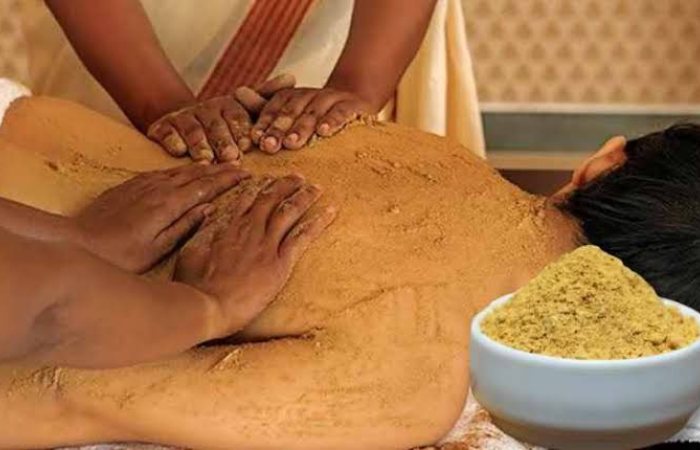
At Bliss, I recommend gentle Panchakarma therapies such as abhyanga (oil massage) and steam mainly for relaxation and recovery. I do not advise strong purging therapies for anyone with active gallbladder pain, and I wait until a patient has been free of attacks and cleared by their doctor. Drink enough water to keep your urine pale; whole fruit such as pomegranate is better than juice. Gentle yoga, walking after meals and slow breathing help digestion and stress, which so often worsen symptoms. Avoid deep twists or pressure on the belly during or soon after an attack.
How We Help at Bliss
My role is to help you understand your report, decide calmly and look after your digestion before and after any treatment. At the first consultation, I read your ultrasound and blood tests and ask exactly where and when the pain comes, what you were eating, and how you lose or gain weight.
If your stones are silent, we work on food, weight and routine together and keep an eye on symptoms. If you have repeated pain or any warning sign, I tell you plainly to see a surgeon or gastroenterologist, and we support you around that decision. After surgery, many people worry about digestion; my article on gallstone removal and recovery covers that stage. We work alongside your own doctors, and we never ask anyone to delay surgery that has been advised.
When to See a Doctor
See a doctor straight away, or go to an emergency department, if you have:
- Severe belly pain that lasts more than a few hours.
- Fever or shivering with belly pain.
- Yellow eyes or skin, dark urine or pale stools.
- Pain going through to the back with repeated vomiting.
Also book a doctor’s visit if your pain keeps coming back, or if a scan mentions a thickened gallbladder wall, a gallbladder polyp or very large stones. Gallbladder cancer is more common in north India, especially along the Gangetic plains, than in most of the world, so these findings deserve a specialist’s opinion and should never be watched with home remedies alone.
Frequently Asked Questions
Can I live normally without a gallbladder?add
Yes. The liver keeps making bile, which then flows straight into the intestine instead of being stored. Most people eat normally within a few weeks. Some notice looser stools or discomfort after very fatty meals for a while, and this usually settles with smaller, lighter meals.
Can gallstones pass on their own?add
Very small stones sometimes pass out of the gallbladder, but this can be painful and risky, because a stone stuck in the bile duct can cause jaundice or pancreatitis. Larger stones do not shrink or disappear by themselves. Any severe pain, fever or yellowing needs prompt medical care.
Is it safe to take Ayurvedic medicines while waiting for surgery?add
Tell your surgeon and anaesthetist about every herbal product you take. Some herbs can affect bleeding, blood sugar or liver tests, and you may be asked to stop them a week or two before the operation. Never use herbs as a reason to delay surgery that has been advised.

About the author: Dr. Poonam Bali, B.H.M.S., P.G. (Homoeopathy), is a gold medalist homeopath and London trained cosmetologist who founded Dr. Bali’s Bliss in Hauz Khas, New Delhi in 1996. She has more than 30 years of experience in integrative and holistic health, with a special interest in digestive health.
Disclaimer: This article is for general information and does not replace a medical consultation. Please speak to your doctor before taking any herbal medicine if you have any health condition, are pregnant, or take regular medicine.