In Ayurvedic philosophy, hair health reflects overall wellness. The three doshas (Vata, Pitta, Kapha) influence hair differently: Vata is linked with dryness and brittleness, Pitta with early greying and thinning, and Kapha with an oily scalp and sluggish growth.
Almost every week, someone sits in my clinic holding a clump of hair from their comb, worried they are going bald. In more than 30 years of practice, I have learnt that hair fall is rarely about the hair alone. It is usually the body telling us something about food, stress, hormones or a recent illness. That is where Ayurveda is most useful, and also where it needs to work alongside a proper medical check.
Understanding Hair Health
Hair loss can stem from nutritional deficiencies, hormonal imbalance, stress, poor sleep or weak digestion. The shedding I see most often is in young women around two to three months after a fever, a crash diet or a stressful exam season. Doctors call this telogen effluvium: many hairs move into their resting phase at once and fall together. It is frightening, but it usually settles once the trigger is dealt with.
Other common causes are a thyroid problem, low iron or protein, PCOS and other hormonal changes, pattern hair loss that runs in families, and scalp conditions such as dandruff or a fungal infection. In Ayurveda we also talk about Ama, the undigested residue left by weak digestion. Whatever words we use, the aim is the same: find out why the hair is falling, rather than only treating the hair.
Ayurvedic Oils and Massage Techniques
Therapeutic oils are central to Ayurvedic hair care, and a weekly warm oil massage is one of the simplest habits I recommend. Bhringraj has long been used for hair. So far its hair growth effect has been shown mainly in animal studies, so think of it as supportive care rather than a cure. Amla is a traditional choice for a nourished scalp and for slowing early greying. Brahmi is known for its calming quality, and many of my patients with stress related shedding find the ritual of an evening oil massage helps them sleep. Neem is a traditional choice for dandruff, but a red, scaly or patchy scalp needs a doctor’s diagnosis first.
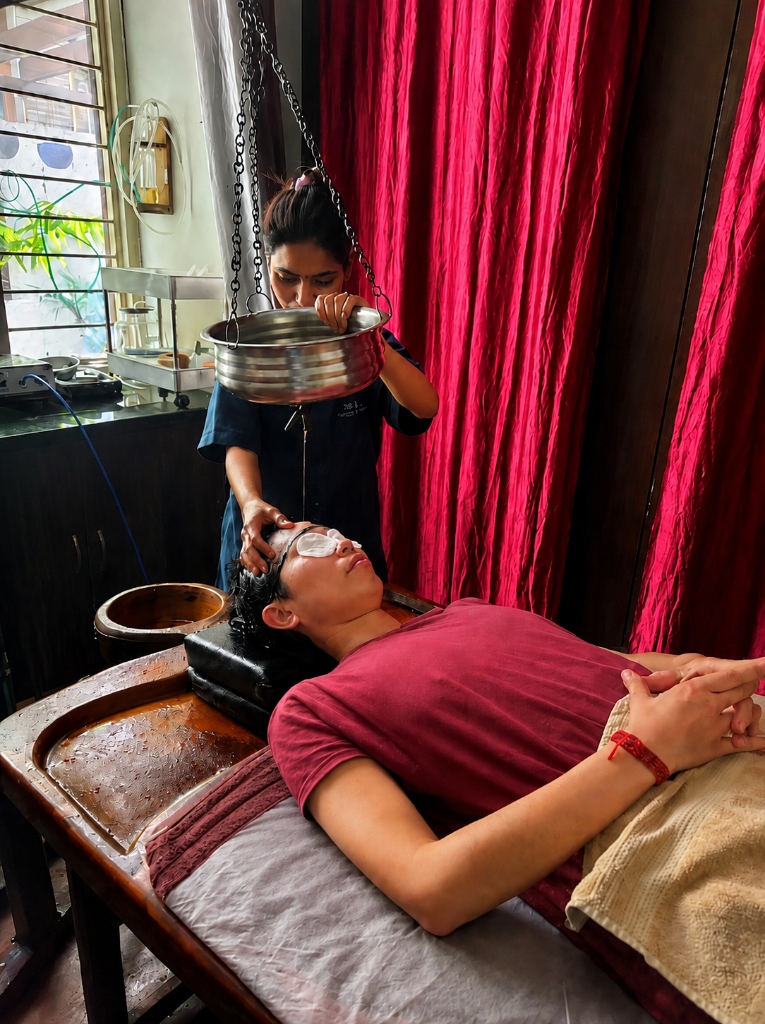
How you massage matters as much as which oil you use. Warm the oil slightly, part the hair, and use the pads of your fingers in small circles for five to ten minutes. Don’t rub hard or pull, because tight handling and tight hairstyles can themselves cause hair loss. At the clinic, we sometimes add shirodhara, a steady stream of warm herbal oil on the forehead, which many people find deeply relaxing.
Ayurvedic Diet for Healthy Hair
Nutritional support is inseparable from hair care in Ayurveda. Hair is made of keratin, a protein, so lentils, beans, paneer, curd, eggs or tofu at every meal matter more than any oil. Iron and zinc rich foods such as spinach, jaggery with sesame, and pumpkin seeds support healthy follicles. Pumpkin seed oil has even been tested in a small randomised trial in men with pattern hair loss. Healthy fats such as ghee in moderation and flaxseeds support the scalp, and turmeric and fenugreek are traditional additions to a warm, easily digested diet.
I also look at how people eat. Skipping breakfast, very low calorie diets and long gaps between meals often show up as hair fall a few months later. If you are not sure your diet is enough, our nutrition consultation can help you build a plan you can actually follow.
Ayurvedic Hair Care Tips
Comprehensive Ayurvedic hair care combines internal and external habits:
- Oil the scalp gently once or twice a week, and wash it out within a day.
- Use a mild shampoo, and avoid very hot water and harsh heat styling.
- Avoid tight ponytails, buns and braids that pull at the roots.
- Sleep seven to eight hours and manage stress with yoga or meditation.
- Eat regular meals with protein, and drink enough water.
- For a deeper reset of digestion and routine, Ayurveda uses Panchakarma, planned for your constitution and health.
How We Approach Hair Fall at Bliss
When someone comes to me with hair fall, I first ask when it started, what happened two to three months before, how they eat and sleep, and about periods, weight and energy. I look at the scalp and the pattern of thinning. If anything suggests a thyroid problem, low iron or a hormonal cause, I ask for simple blood tests before we start any treatment.
The plan then combines food and routine changes, scalp care and, where it helps, homeopathy or Ayurvedic therapies. For people who want clinic treatments too, our skin and hair clinic offers scalp therapies alongside the holistic plan.
When to See a Doctor or Ayurvedic Expert
It is normal to lose some hair every day. Please see a doctor rather than relying on home remedies if you notice:
- Round or patchy bald spots, or hair loss in children.
- A red, scaly, itchy or painful scalp.
- Hair loss together with weight change, tiredness, feeling cold, or irregular periods.
- Heavy shedding that continues beyond six months.
- Hair loss after starting a new medicine.
Once a medical cause has been ruled out or treated, an Ayurvedic consultation can provide targeted dietary advice, oil recommendations and therapies based on your constitution and health history.
Final Words
Healthy hair grows from a healthy body. Good food, calm sleep, gentle care and patience do more than any single oil. At Dr. Bali’s Bliss, we offer Ayurvedic consultations, Panchakarma therapies and personalised nutrition plans to look at hair fall as part of your whole health, and we will always tell you when you need a medical test first.
Frequently Asked Questions
How often should I oil my hair?add
Once or twice a week is enough for most people. Warm the oil slightly, massage it in gently for five to ten minutes, and wash it out after an hour or the next morning. If your scalp is oily or has dandruff, oil less often and keep it short.
Can Ayurvedic oils regrow a bald patch?add
No oil can be relied on to regrow a smooth, round bald patch. Patches like this are often alopecia areata or a scalp infection, and they need a doctor to look at them first.
How long before I see less hair fall?add
Hair grows slowly, so give any change in diet, routine or oiling about three months before you judge it. Shedding after an illness or a stressful time usually settles on its own within six months.
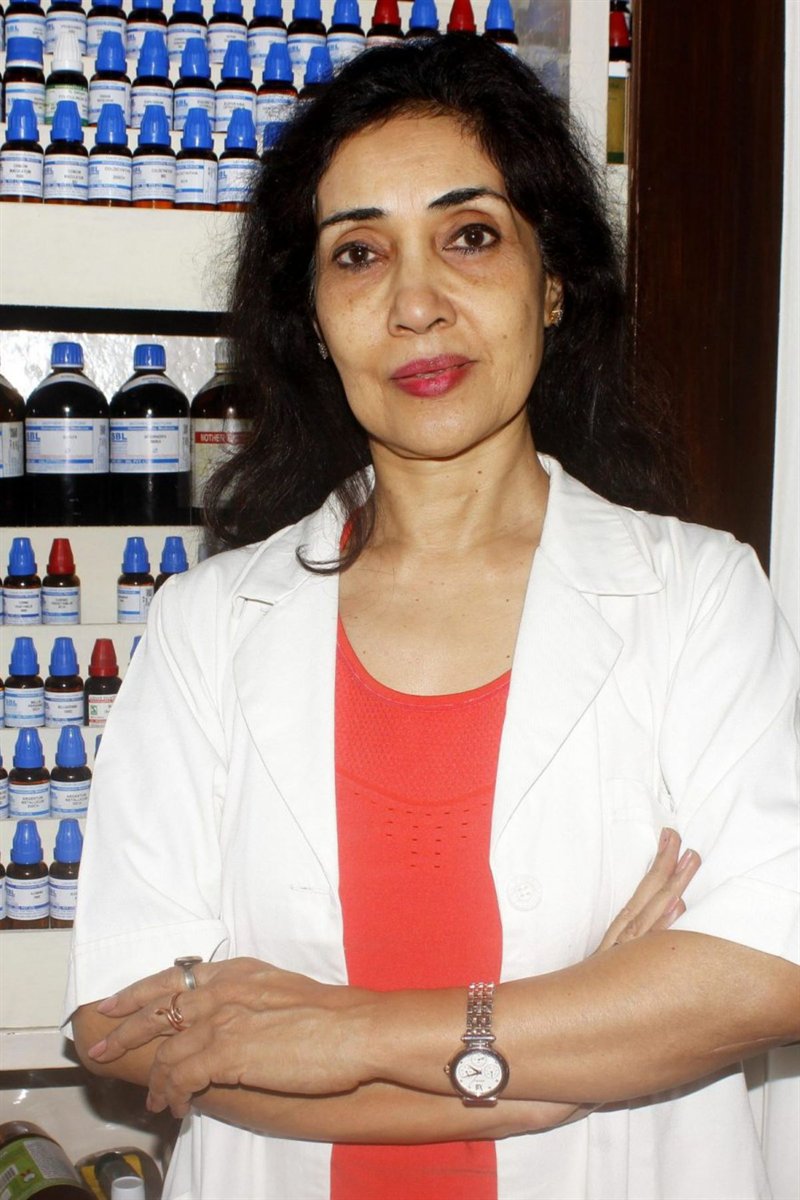
About the author: Dr. Poonam Bali, B.H.M.S., P.G. (Homoeopathy), is a gold medalist homeopath and London trained cosmetologist who founded Dr. Bali’s Bliss in Hauz Khas, New Delhi in 1996. She has more than 30 years of experience in integrative and holistic health.
Disclaimer: This article is for general information and does not replace a medical consultation. Sudden, patchy or heavy hair loss needs a medical assessment.